
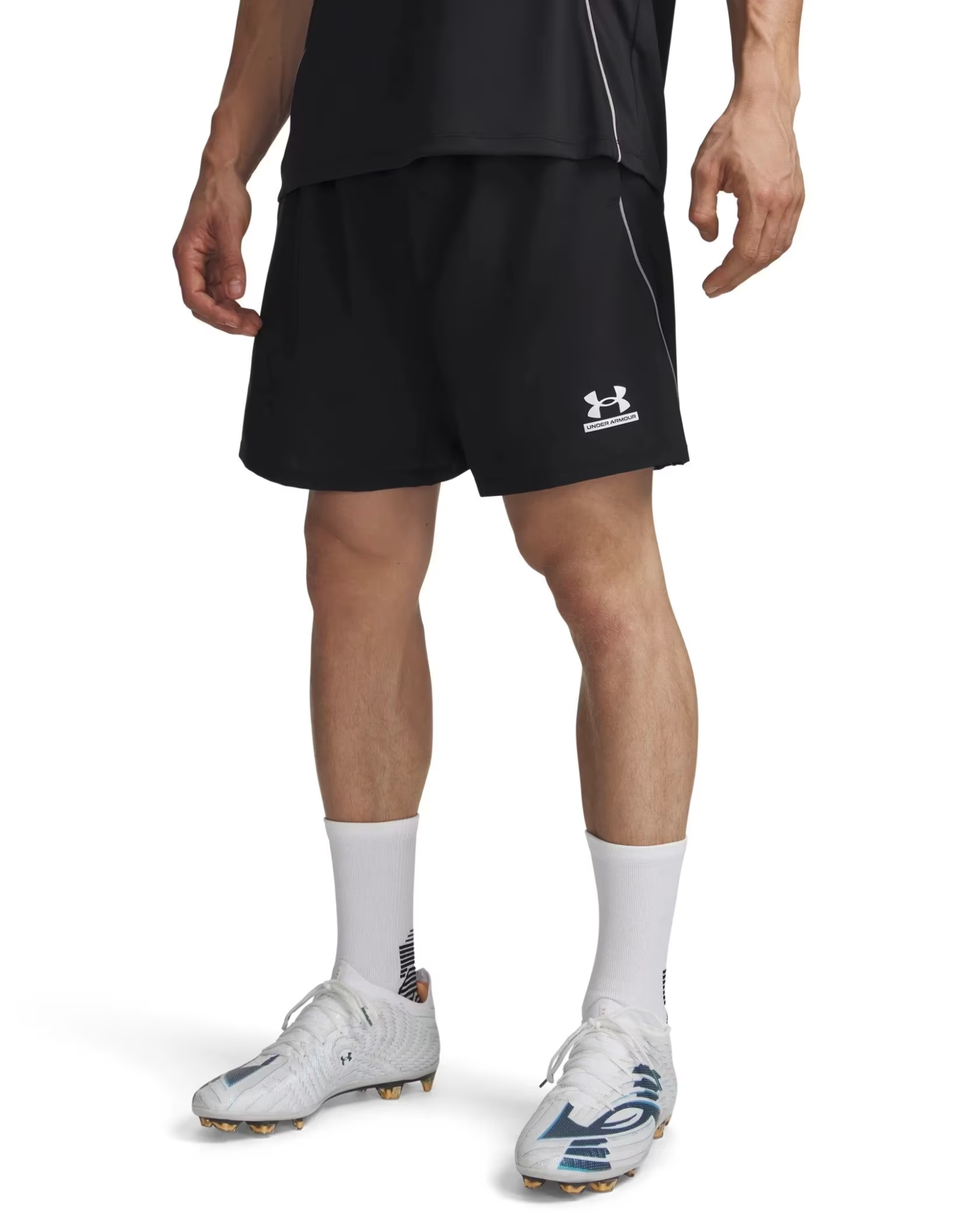
Most men do not think about shoes until a workout starts feeling off. Your heels wobble during squats. Your feet slide during lunges. A jump lands harder than it should. Suddenly, that old pair of sneakers no longer feels “good enough.”
That is usually why people start searching for gym shoes for men. Not because they want something flashy, but because they want a pair that feels right once training gets real. The current search landscape clearly reflects that mood. Buying guides keep coming back to the same issue: running shoes and training shoes are built for different movement patterns, and the wrong choice can leave you feeling unstable, under-supported, or simply uncomfortable in the gym.
Here’s the thing. The gym is not one activity. There are many. You might lift, sprint, row, jump, push a sled, or move through a circuit that changes every few minutes. That is why a proper training shoe is not built like a running shoe. Running shoes are made for forward motion and longer mileage. Training shoes are made for side-to-side movement, faster direction changes, and a firmer, steadier base under load. Several top-ranking guides make exactly that distinction, and it is one of the most important ones to get right before you buy.
Start with the kind of training you actually do
This is where many people get it wrong. They buy for the label, not the workout. A shoe can look strong and still feel wrong for your routine.
If your week revolves around squats, deadlifts, presses, and machine work, you need a flatter, more grounded feel. A stable base matters because it helps you stay planted and drive force through the floor. Men’s Fitness and RunRepeat both highlight stability, sturdy platforms, and firmer heels as key traits for gym shoes designed for lifting.
If your sessions lean more toward HIIT, bootcamp circuits, or jump-heavy conditioning, the picture changes a bit. You still need control, but you also need flexibility and impact protection. In high-ranking reviews of men’s training shoes, the best HIIT performers usually pair decent cushioning with grip and enough support to keep fast movement feeling controlled rather than sloppy.
And if you do a bit of everything, which honestly is how a lot of men train, versatility becomes the real goal. That means not the softest or hardest shoe, but one that balances firmness, comfort, traction, and lateral security. That “do-it-all” profile shows up again and again in current gym-shoe reviews.
Stability is not boring. It is confidence.
People hear “stable shoe” and imagine something stiff, heavy, or clunky. But a good training shoe does not have to feel like a brick. It simply needs to stop your foot from drifting when the workout gets messy.
That matters more than people admit. You feel it during split squats, lateral shuffles, kettlebell work, and loaded carries. A wide outsole, firmer heel, and lateral support help keep your foot where it should be. Nike’s current training guide specifically points to wide outsoles, firm heel support, and durable uppers as things to look for in training shoes, while Men’s Fitness notes that dynamic workouts need shoes that can handle quick changes of direction without losing stability.
In practical terms, stability often feels less like a technical feature and more like peace of mind. You stop adjusting your stance. You stop thinking about your feet. You train harder because the foundation feels sorted.
Cushioning should match impact, not ego
A lot of shoppers assume more cushioning is always better. It sounds logical. Soft must mean comfortable, right? Sometimes, yes. Not always.
For long runs, extra cushioning makes sense. For lifting, too much softness can work against you because the shoe compresses under load. For mixed training, the sweet spot is somewhere in between. Current buying guides keep repeating that running shoes are made with more cushioning for repetitive forward impact, while training shoes usually keep things firmer and more controlled for gym movements.
So the question is not “How soft is it?” The better question is “What happens when I jump, land, brace, and push off?” That is where good gym shoes for men separate themselves. They protect you from harsh impact without turning every rep into a balancing act.
Breathability and grip matter more than they get credit for
Nobody shops for sweat first, but everyone notices a hot, stuffy shoe halfway through a session. Breathability matters because training sessions heat up fast. Reviews of men’s gym shoes regularly flag ventilation as a real differentiator, especially for indoor sessions and long workouts.
Grip is the same story. It does not sound dramatic, but it changes how secure you feel during lunges, sled pushes, burpees, or quick pivots. Several reviewed training shoes are praised specifically for traction on gym floors because slipping, even slightly, can ruin the feel of a movement.
These are not glamorous details. They are gym-floor details. Which is exactly why they matter.
The fit should feel right early
One of the most consistent pieces of advice across current guides is simple: do not buy a shoe assuming it will magically “break in” into the perfect fit. Your heel should feel secure, your toes should have room to move, and the upper should hold your foot without squeezing it into submission.
That sounds obvious, but a lot of men still settle for shoes that are fine standing still and annoying once the workout starts. A gym shoe should feel ready almost from the start. Not perfect in a poetic sense. Just right enough that you are not negotiating with it through every set.
What this looks like in real product design
Under Armour India’s current training lineup gives a useful snapshot of how these features show up in real shoes. The Project Rock 8 features an ultra-breathable upper, responsive UA HOVR cushioning, and UA TriBase for greater ground contact. The Commit TR 5 combines a breathable mesh upper, leather overlays, and full-length Charged Cushioning for responsiveness and durability. The Edge is positioned for training both in and out of the gym, while the TriBase Reign 6 is explicitly built around ground contact and support for form during lifting and movement. The Halo Trainer is designed for hybrid training, including HIIT, plyometrics, and conditioning across multiple surfaces.
That product mix tells you something important. There is no single “best” answer for everyone. The right shoe depends on whether your training is more lift-heavy, conditioning-heavy, or mixed.
So, what are men really looking for?
If you strip away the product jargon, the sentiment is pretty straightforward. Men shopping in this category want shoes that help them feel more capable in the gym. They want stability under load, adequate cushioning for impact, grip that doesn’t slip, and a fit that feels secure from warm-up to final set. That pattern comes through strongly in both expert buying guides and lab-tested reviews ranking men’s gym shoes in 2026.
And that is probably the best way to think about it. Good gym shoes for men are not there to look impressive on a rack. They are there to disappear once the session starts. When they work, your stance feels cleaner, your movement feels sharper, and your attention stays where it belongs: on the training, not the footwear.
