
When a case begins things speed up then slow down
A Kansas City domestic violence case generally starts with a call to police. A police officer shows up, asks questions and may arrest you right there. Sometimes everything feels rushed here. Like life flipped in minutes. After arrest, the matter is entered into the court system swiftly. The charges come from the prosecutor’s office. This moment sets the tone for what’s to come. People believe that’s it but that’s just the start.
First Court Day The Judge
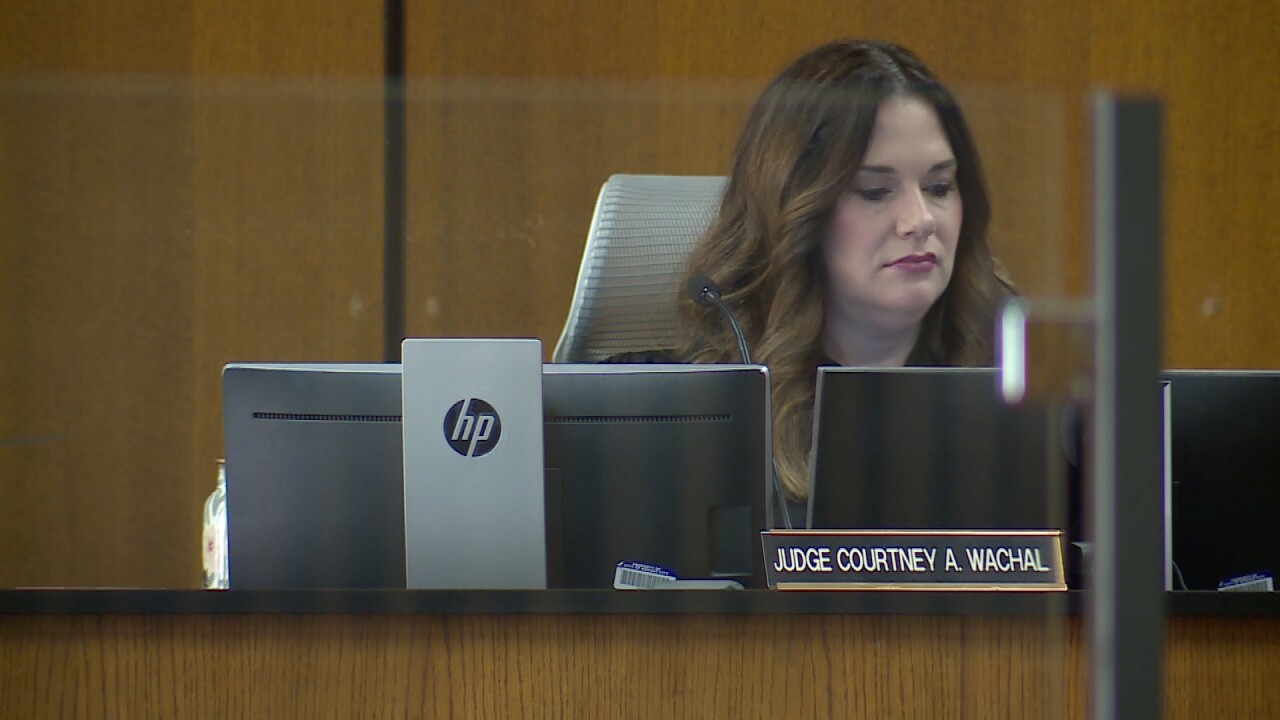
Usually, the first court appearance is within a few days. This is called arraignment, and charges are read. The judge also discusses bond. That means if the person remains in jail or goes home. There can be quite tight rules. No contact orders are generally made soon away. It can feel like a weight in the room. But basically this level is about rules and not final judgments.
Pretrial Stage: Idle, But Not Idle
Here’s the thing. This step may take weeks or even months. Lawyers collect evidence, interview witnesses and analyze reports. Police records, medical records, phone records could come in. The two sides prepare their arguments. Some charges are cleared here by a plea bargain. Others take their chances at trial. You might hear the terms “discovery” and “motions.” That basically means each side offers information and debates facts. It can be slow.” But there’s a lot going on behind the scenes.
Trial or Plea: The Great Switch
Not every case gets to trial. Many enter into a plea agreement before that point. If it goes to court, both sides will provide evidence. A judge or jury decides what happened. This stage might be a powerful one. Testimony is given, sometimes with feeling. Victims may talk. Witnesses may be cross examined. Or the case settles before that day arrives. In any case, this is the decision point in the timeline.
Sentencing: What happens next?
If a person is found guilty or pleads guilty, then sentencing takes place. That’s for the judge to decide. That might be jail time, probation, or treatment programs. Sometimes anger control or counseling is also needed. Kansas City also uses some problem-solving courts. This is not just about punishment, but about changing behavior. That’s where support systems matter a lot. “Sometimes real change takes more than court orders.
Specialty Courts Locations in Kansas City
A few of the cases involve the Kansas City specialty courts. These courts are all about recovery and more lasting behavior change. They work alongside treatment teams, not simply with legal professionals. Judges, counselors and case workers coordinate. That means that the objective is clear. Say no to repetitive damage, help make safer choices. This is not soft justice. It’s structured with rules and check-ins. People are often shown improvement through regular court reviews. Missed steps carry repercussions and accountability is high.
Community Support: KC Steps Up Beyond the Bench
Courts of law do not exist in a vacuum. “Families feel it. Neighbors feel it. Communities feel it. That’s where Beyond the Bench KC comes into play. Beyond the Bench KC supports awareness around specialty courts. They’re about mending and understanding.” Not punishment, but a meaningful change in behavior patterns. They simply believe. Justice is more effective when the core problems are treated. They help connect people to sources and support networks. This includes education, community outreach and awareness events. It may not be in the courtroom but it is very important. Recovery typically begins beyond the eyes of the judge.
Why the Timeline Feels Different for Everyone
There are no two cases that go the same way. Some take months, some take longer. There are various reasons for delays. That includes legal motions, evidence concerns, witness schedules. It’s frustrating sometimes. People want closure, but the system moves one step at a time. But each step is purposeful. Even the waiting times influence the end result.
Final Word
Domestic abuse charges weigh heavily. They talk about security, trust, and family life.
Kansas City courts want fairness and protection. That balance is not always easy. But still the system moves on. A step and another until solution.
Frequently Asked Questions
- How long does a domestic violence case last in Kansas City?
It depends on the facts of the situation. Some are done in a few months. Others take a year or more. Delays might be caused by evidence review or court schedules. Serious cases with trial dates take longer. Plea bargains normally go quickly.
- What occurs immediately following a domestic violence arrest?
Police can arrest the accused on the scene. “Then it’s fast booking and charging. A first court date is fast approaching. Bond terms may include no-contact orders. The accused can be kept in custody or released. It depends on the danger and the preceding history.
- Must victims testify in court?
Not always, but occasionally. It depends on the strength of the case. In other circumstances alternative evidence is used to advance the case. This can be reports, images or statements from witnesses. If a trial happens then you could require testimony. Support services are frequently provided for safety.
- What are the specialty courts in Kansas City?
Specialty courts are focused on behavior improvement. They tackle root causes, not punishment. They often have treatment, monitoring and court check-ins. Kansas City Specialty Courts is one such example of this system. Such courts are designed to lower recidivism. They combine accountability with structured support.
- How does Beyond the Bench KC assist in these cases?
Beyond the Bench KC Foundation spreads awareness and education. Beyond the Bench KC teaches people about specialty court work. They support concepts of healing-oriented justice. They also connect communities to assistance resources. Their work expands understanding beyond the courtroom. That can help families and people recover in the long term.
