
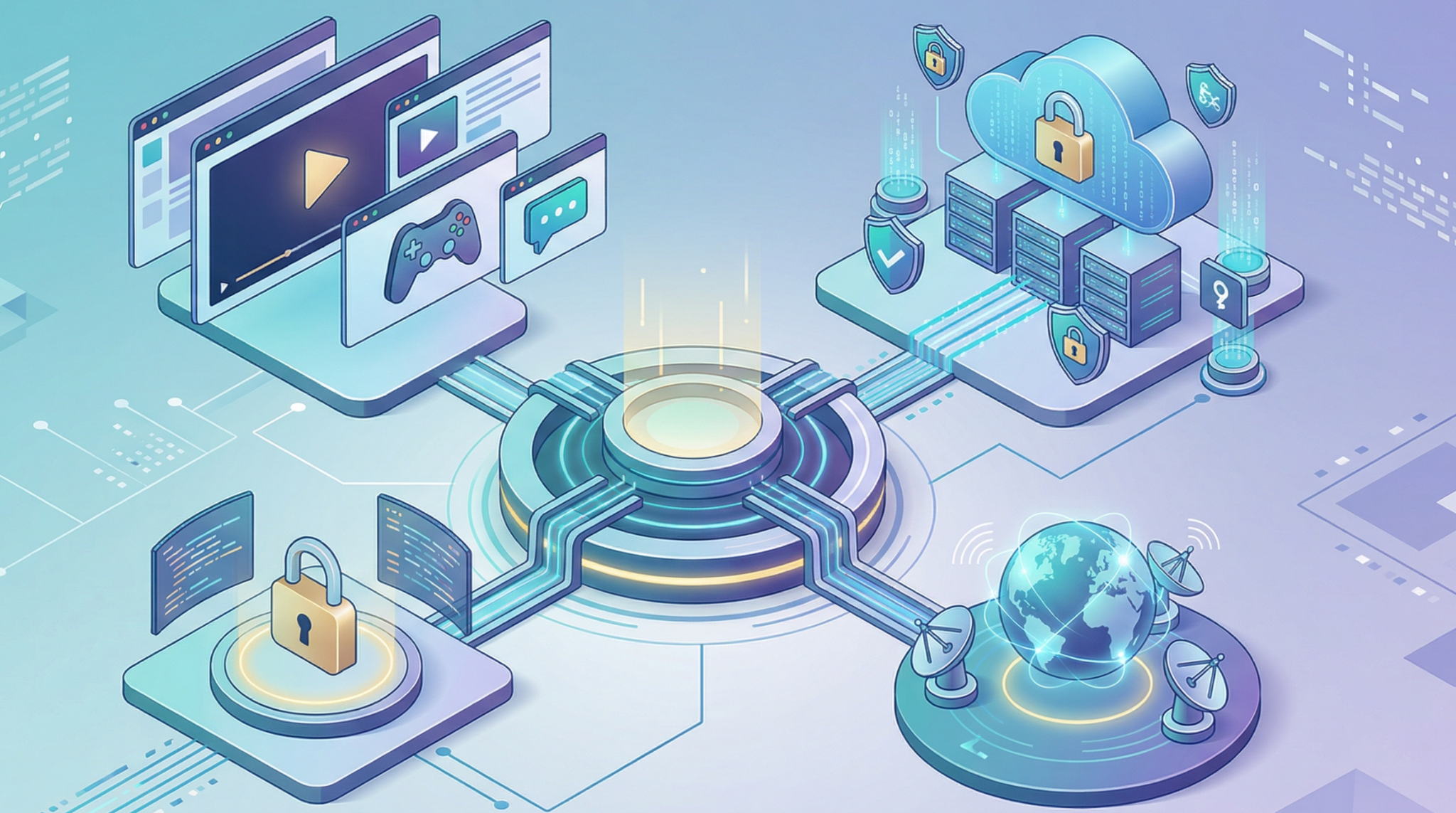
Navigating the Technical Core of Online Services
The digital world has reached a point where the distinction between different types of online services is becoming increasingly blurred. Whether you are using a mobile application to track your fitness, downloading a communication tool like WhatsApp, or engaging with an interactive gaming site, the underlying infrastructure often shares similar principles. The focus of contemporary software development has moved toward creating high-availability systems that can handle millions of concurrent users while maintaining strict data integrity.
For users who frequently download guides or seek new tools to optimize their devices, it is vital to comprehend how these platforms function. This knowledge helps in identifying high-quality services and avoiding those that might compromise device security or personal data. From the way a video is buffered to the encryption used in messaging, every feature is a result of complex engineering designed to provide a seamless experience.
The Foundation of User Interface and Experience
At the forefront of any successful application is the User Interface (UI). However, a visually appealing design is only one part of the equation. The User Experience (UX) dictates how a person interacts with the software, ensuring that navigation is intuitive. Developers use specific frameworks to ensure that buttons react instantly and that menus are organized logically.
In the world of internet services, speed is a critical metric. When a user looks for a tutorial on how to unlock a specific feature in a social media app, they expect the interface to guide them without friction. If a platform is sluggish or poorly designed, users often abandon it in favor of more optimized alternatives. This optimization involves minimizing the code size, using efficient image formats, and ensuring that the backend can process requests in milliseconds.
Security Protocols and Data Protection
Security is perhaps the most significant aspect of any online platform today. With the rise of cyber threats, developers must implement robust encryption standards. Transport Layer Security (TLS) and Secure Sockets Layer (SSL) are the industry standards for protecting data as it moves from a user’s device to a server.
Beyond encryption, the way a platform handles user authentication is crucial. Two-factor authentication (2FA) has become a standard requirement for services ranging from email providers to financial tools. By requiring a second form of verification, platforms significantly reduce the risk of unauthorized access. Furthermore, data privacy laws like the GDPR in Europe and the CCPA in California have forced companies to be more transparent about how they collect and store information. Users are now more empowered to control their digital footprint, provided they know where to look in the settings of their favorite apps.
The Role of Verification and Public Feedback
In an environment where new apps and websites appear daily, how does a user determine which ones are trustworthy? This is where the community and third-party verification systems play a vital role. Just as someone might read a technical review of a new smartphone before buying it, users of interactive services need reliable sources of information to verify the fairness and safety of a platform.
Trust is built through transparency and historical performance. For those exploring the world of digital gaming, consulting casino online reviews is a standard procedure to ensure that a platform adheres to international regulations and maintains a fair environment for its participants. These reviews function as a verification layer, similar to how app store ratings provide a snapshot of a utility app’s reliability. By reading the experiences of others and checking for valid licensing information, users can make informed decisions about where to spend their time and resources.
Backend Infrastructure and Scalability
While the user sees the interface, the real work happens on the backend. Modern services rely on cloud computing providers like AWS, Google Cloud, or Microsoft Azure. These providers allow platforms to scale their resources up or down based on demand. If a new game becomes an overnight sensation, the servers must be able to handle the sudden surge in traffic without crashing.
Scalability is achieved through microservices architecture. Instead of having one giant program running everything, developers break the application into smaller, independent pieces. One service might handle user logins, another might manage the database of content, and a third might process payments. This modular approach means that if one part of the system fails, the entire platform doesn’t necessarily go offline. It also allows for easier updates, as developers can improve one section of the code without risking the stability of the rest of the application.
Content Delivery and Optimization
For sites that offer guides on how to download media or stream high-definition content, Content Delivery Networks (CDNs) are essential. A CDN is a network of servers distributed geographically. When you try to download a file, the request is routed to the server closest to you. This reduces latency and ensures that the download speed is as fast as your internet connection allows.
Optimization also extends to how data is stored. Databases must be indexed correctly so that when a user searches for a specific topic, the results appear instantly. For mobile users, this is even more critical, as mobile networks can be less stable than fixed broadband. Developers often implement “lite” versions of their apps or use progressive web app (PWA) technology to ensure that users with slower connections can still access the core features of the service.
The Importance of Regular Software Updates
One of the most common pieces of advice in any technical guide is to keep your software updated. There is a technical reason for this: updates are rarely just about adding new features. More often, they are about patching security vulnerabilities that have been discovered since the last version was released.
When a developer releases a patch for a messaging app or a mobile game, they are often closing “backdoors” that hackers could use to gain access to the device. This is why automated updates are a standard feature in most operating systems today. From the perspective of the platform provider, regular updates are a way to maintain the integrity of their service and ensure that all users are running the most stable and secure version of the software.
Navigating Regulatory Environments
Different types of digital services are subject to different laws depending on where they operate. A health app must comply with medical privacy standards, while an e-commerce site must follow financial regulations. Interactive entertainment platforms are among the most heavily regulated sectors in the digital space.
To operate legally, these platforms must obtain licenses from recognized authorities. These licenses act as a guarantee that the software has been audited for fairness and that the company has the financial means to honor its obligations to its users. For someone looking at a new service, checking for the presence of a license from a reputable jurisdiction is a quick way to gauge the platform’s legitimacy. This regulatory oversight ensures that the digital ecosystem remains a safe space for everyone involved.
Integration of Artificial Intelligence and Automation
The way we interact with internet services is changing due to the integration of artificial intelligence (AI). From chatbots that provide instant customer support to algorithms that suggest content based on your previous activity, AI is becoming a silent partner in the user experience.
In the context of security, AI is used to detect patterns of fraudulent behavior. If an account is accessed from an unusual location and tries to perform a series of rapid transactions, the system can automatically flag the activity and lock the account until the owner verifies their identity. This level of automation allows platforms to protect users at a scale that would be impossible for human moderators alone.
Conclusion: Making Informed Digital Choices
As the variety of online tools and entertainment options continues to expand, the responsibility falls on the user to be discerning. By grasping the basics of software architecture, security protocols, and the value of third-party verification, individuals can navigate the web with confidence. Whether you are searching for a guide on a technical task or looking for a new platform to enjoy in your spare time, always prioritize services that demonstrate a commitment to transparency, security, and user feedback. The digital world is full of opportunities for learning and entertainment, provided you have the right framework for evaluating the tools you use.
