
If you’ve ever seen how fast a fire spreads in an industrial setup, you’ll get this instantly. It’s not slow, and when things go wrong, they go wrong all at once.
Now here’s the thing most people don’t think about. Even if you’ve installed alarms, emergency lights, or shutdown systems, they all depend on wiring. And if that wiring gives up in the middle of a fire, everything else kind of becomes useless. That’s where better cabling choices start to matter.
Many industries today are quietly switching to mineral-insulated cable because it’s been around for years. But now, with stricter safety checks and real pressure to avoid failures, people are paying attention again.
What Are Mineral-Insulated Cable Systems?
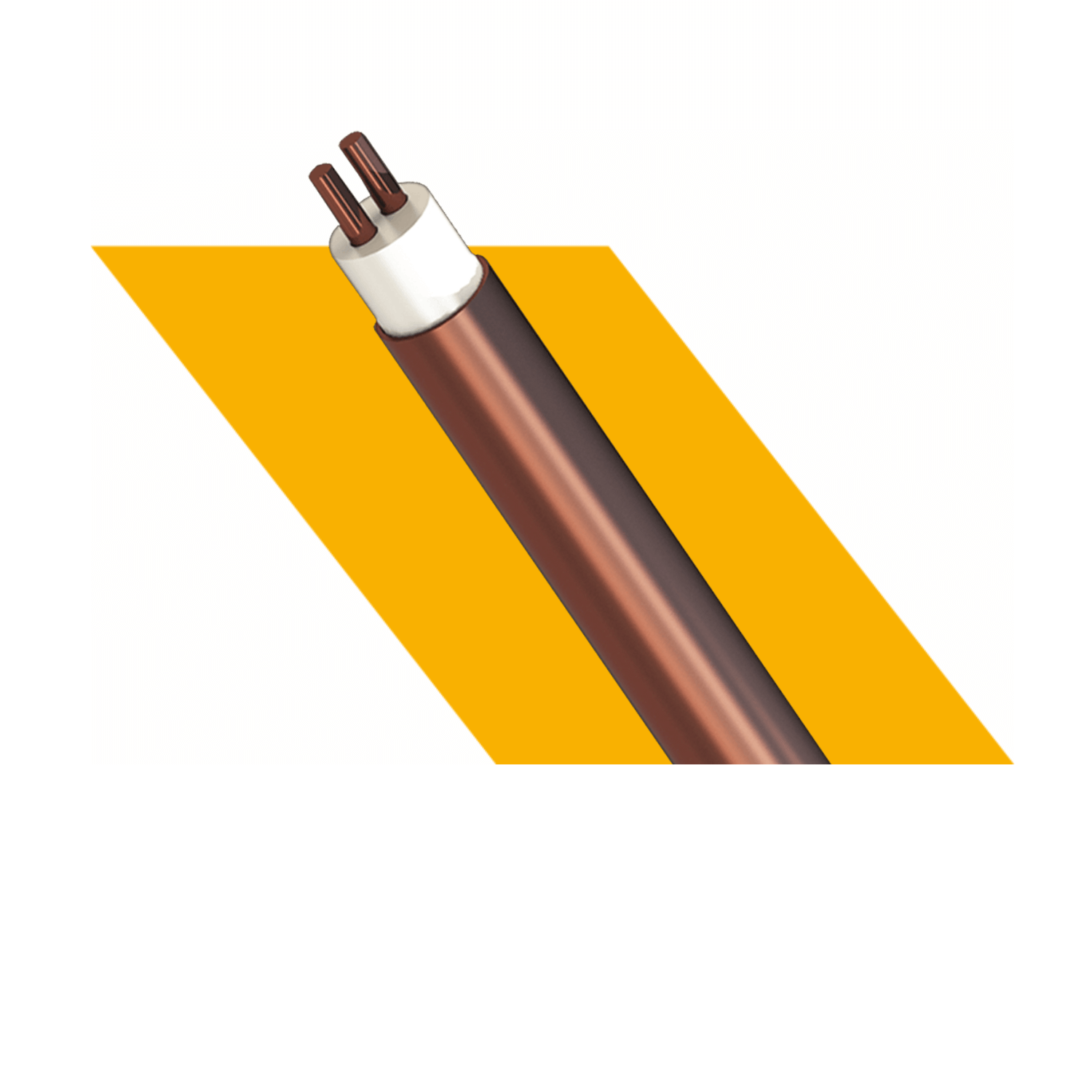
A mineral-insulated cable isn’t built like the usual plastic-coated wires you see everywhere. Instead of soft insulation, it uses a tightly packed mineral powder, usually magnesium oxide, around copper conductors. Then it’s sealed inside a metal tube.
No plastic means nothing to melt easily. No fancy layers that break down quickly under heat. Just solid, compact construction that holds its shape even when things get extreme.
Here’s what that actually means in real life:
- It doesn’t catch fire easily.
- It keeps working at very high temperatures.
- It doesn’t release choking smoke like regular cables.
- It’s physically tough.
You’ll see a mineral-insulated cable in places where people can’t afford surprises. Fire alarms, emergency circuits, tunnels, refineries, and even nuclear setups sometimes.
And yes, they last long too if installed properly. That part usually convinces the teams at any industrial setup eventually.
Overview of Industrial Fire Safety Standards
Now, about safety rules. They’re not just paperwork. They’re based on real incidents where things failed when they shouldn’t have. Different countries have different codes, but the expectations are pretty similar across the board.
- First, cables should keep working during a fire. Not for a few seconds, but long enough for evacuation or shutdown. We’re talking 30 minutes, 60 minutes, and sometimes more.
- Then there’s fire testing. Standards like IEC 60331 or BS 6387 literally expose cables to flames and check if they still carry current. It’s harsh testing. And it needs to be.
- Smoke is another big concern. In many cases, smoke causes more harm than flames. So cables are expected to produce as little smoke as possible and definitely nothing toxic.
- Also, these cables go through rough conditions. Vibration, water spray during firefighting, and physical hits. They can’t just be delicate.
Trying to meet all these expectations with one type of cable? Not easy. That’s why people usually go with something that’s already proven instead of experimenting.
How Mineral-Insulated Cables Meet Fire Safety Standards
This is where things start to make sense. The design of a mineral-insulated cable naturally fits these requirements. No extra coatings or tricks needed.
1. Fire Resistance
A mineral-insulated cable doesn’t depend on materials that burn. So when exposed to fire, it doesn’t just collapse. It keeps carrying power. That’s exactly what safety standards ask for. Keep the system alive long enough.
2. Low Smoke
Regular cables can fill a room with thick, black smoke. It’s scary. Hard to see, harder to breathe.
A mineral-insulated cable doesn’t behave like that. Since there’s no plastic, smoke generation is almost negligible. That’s a huge relief in closed spaces.
3. Handles Heat Like a Pro
High temperatures? That’s not new for these cables. They’re built for it.
Even when the surrounding environment gets intense, a mineral-insulated cable keeps its structure intact. No melting, no dripping, and just steady performance.
4. Tough Build
Industrial spaces aren’t gentle. There’s movement, pressure, and sometimes even accidental hits.
The metal outer layer of a mineral-insulated cable gives it a kind of ruggedness that standard cables just don’t have. It can take a beating and still work fine.
5. Real-World Trust
This isn’t some new lab idea. These cables have been used for years in critical setups. People trust them because they’ve seen them work when it mattered most.
Conclusion
Fire safety isn’t something you figure out later. It’s one of those things you either get right from the start or regret later. Choosing the right cable might feel like a small decision in a big project. But honestly, it’s not. When systems fail during a fire, it usually comes down to small things that were overlooked.
A mineral-insulated cable gives you that extra layer of confidence. It’s not the cheapest option, for sure. But when you think about what’s at stake, the cost starts to make sense.
If you’re planning a project where safety really matters, it’s worth looking at solutions from Tempsens. They’ve been working in this space for a while, and they understand what actually works on-site, not just on paper.
