
Most used car problems don’t show up during a quick look around the lot.
They hide in the paperwork, under the hood, and in the history no one mentions unless you ask. Whether you’re buying from a dealer or a private seller, finding a reliable used car in Sharjah comes down to how thoroughly you check before you commit.
One skipped step can cost you thousands. This checklist makes sure nothing gets missed.
Start With Research So You Know What You’re Walking Into
Before you look at a single car in person, spend time understanding what you’re buying.
Look up the model’s reliability record, known issues, and typical price range on sites like Automarket. This tells you what problems to watch for and whether the asking price is reasonable.
Then check the seller.
Search their name or dealership on Google Reviews or Yelp and read what past buyers say. A seller with a pattern of complaints about undisclosed damage or slow title transfers is one to avoid.
Listings with unusually low prices or vague descriptions deserve extra scrutiny, not excitement.
Pull the Vehicle History Report Before You Fall in Love With the Car
The vehicle history report is one of the most important documents in a used car purchase.
Use the Vehicle Identification Number, or VIN, to generate a report through Carfax or AutoCheck. This shows you the accident history, title status, how many owners the car has had, recorded mileage at each service, and whether there are any red flags in its past.
A clean title means the car was never declared a total loss.
A salvage or rebuilt title means it was, and that changes everything about its value and insurability. Also look for gaps in the maintenance record.
]A car that went years without a single service entry either wasn’t maintained or had its history hidden.
Neither is a good sign.
Inspect the Exterior Carefully and Don’t Rush It
Walk around the car slowly and look at every panel.
Uneven gaps between panels, mismatched paint, or paint that looks slightly different in texture under sunlight are signs of previous body repairs.
Those repairs aren’t always a dealbreaker, but they tell you the car has been in at least one collision.
Check for rust, especially around the wheel wells, the underside of the doors, and the bottom edges of the car. Press lightly on any suspect areas.
Surface rust can be cosmetic, but deep rust means structural damage. Look at the tires too.
Uneven wear on the front tires often points to alignment or suspension issues that cost money to fix.
Check the Interior for Hidden Damage That’s Easy to Miss
Sit inside and take your time. Test every electronic feature, including the air conditioning, windows, mirrors, heated seats if fitted, and all the dashboard controls.
These seem minor until something stops working after you’ve driven off.
Smell the interior carefully. A musty or damp smell is one of the clearest signs of flood damage, even if the car looks dry.
Check under the floor mats and in the trunk for moisture or water stains. Flood-damaged cars can pass a visual inspection but cause serious electrical and mechanical problems for years after.
Look Under the Hood for Problems the Seller Won’t Mention
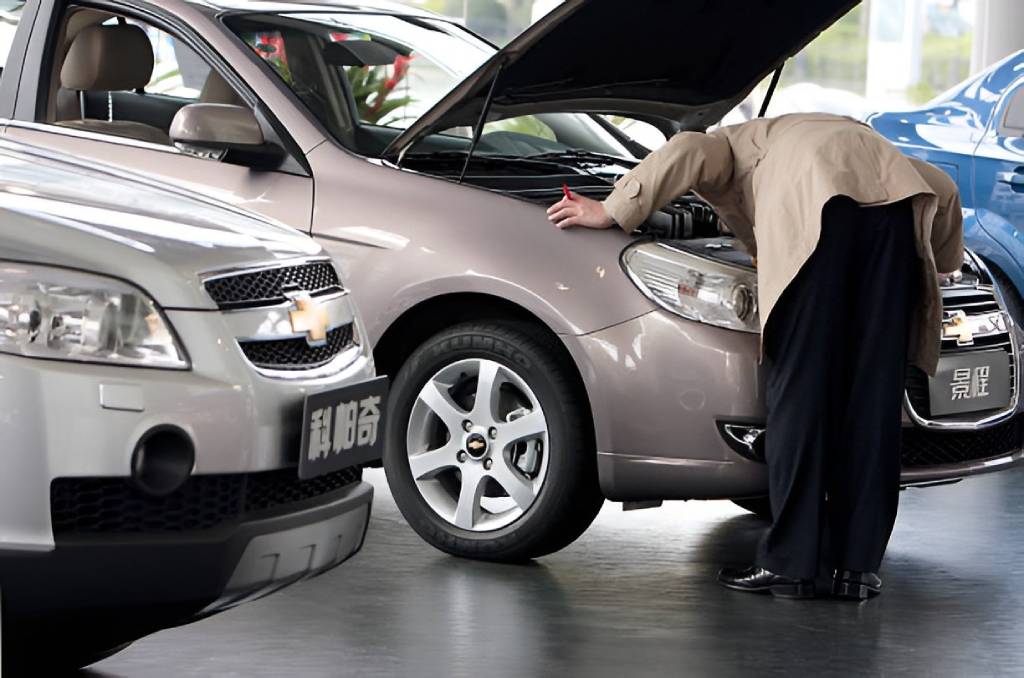
You don’t need to be a mechanic to catch warning signs under the hood.
Start by checking fluid levels and colors. Engine oil should be amber to dark brown. If it looks milky or has a grey tint, that’s a sign of water contamination and a serious engine problem. Coolant should be green, orange, or pink. Never open the coolant cap when the engine is hot.
Look at the belts and hoses for cracking or fraying.
Check the battery terminals for heavy corrosion. Look along the engine block and underneath for any signs of leaking oil or coolant. Then start the engine and listen.
Ticking, knocking, or rattling sounds at startup or while idling are all worth investigating before you proceed. If anything is unclear, book a professional mechanic inspection. That report will identify what you missed and give you real negotiating material.
Drive It in Real Conditions, Not Just Around the Block
A test drive needs to be long enough to tell you something useful. Drive at low speed and high speed, and include a stretch where you can brake firmly. The car should accelerate smoothly, brake in a straight line without pulling, and steer without any looseness or vibration in the wheel.
Shift through all the gears if it’s an automatic, or test the clutch engagement if it’s a manual. Listen for any clunking, grinding, or vibration that appears at certain speeds or during turns. These can point to worn suspension parts, brake issues, or drivetrain problems that aren’t visible during a static inspection.
Check Every Document Before You Sign Anything
The paperwork is where deals go wrong at the last moment. Confirm the VIN on the title matches the VIN on the door jamb and the dashboard. Any mismatch is a serious red flag. Check that the seller’s name on the title matches their ID and that there are no outstanding liens on the car, meaning no bank or finance company still has a claim on it.
Ask about any active recalls and whether they’ve been addressed. Avoid paying by wire transfer or cash with no paper trail. Use secure payment methods that give you documentation if a dispute arises later.
Walk Away From Red Flags, Not Toward Them
A good deal that hides a problem is never actually a good deal. If the seller avoids questions, rushes you through the inspection, refuses a mechanic check, or pressures you to sign before you’re ready, those are reasons to leave. The right car will hold up to scrutiny. Check everything, trust what you find, and only sign when you’re fully satisfied.
