
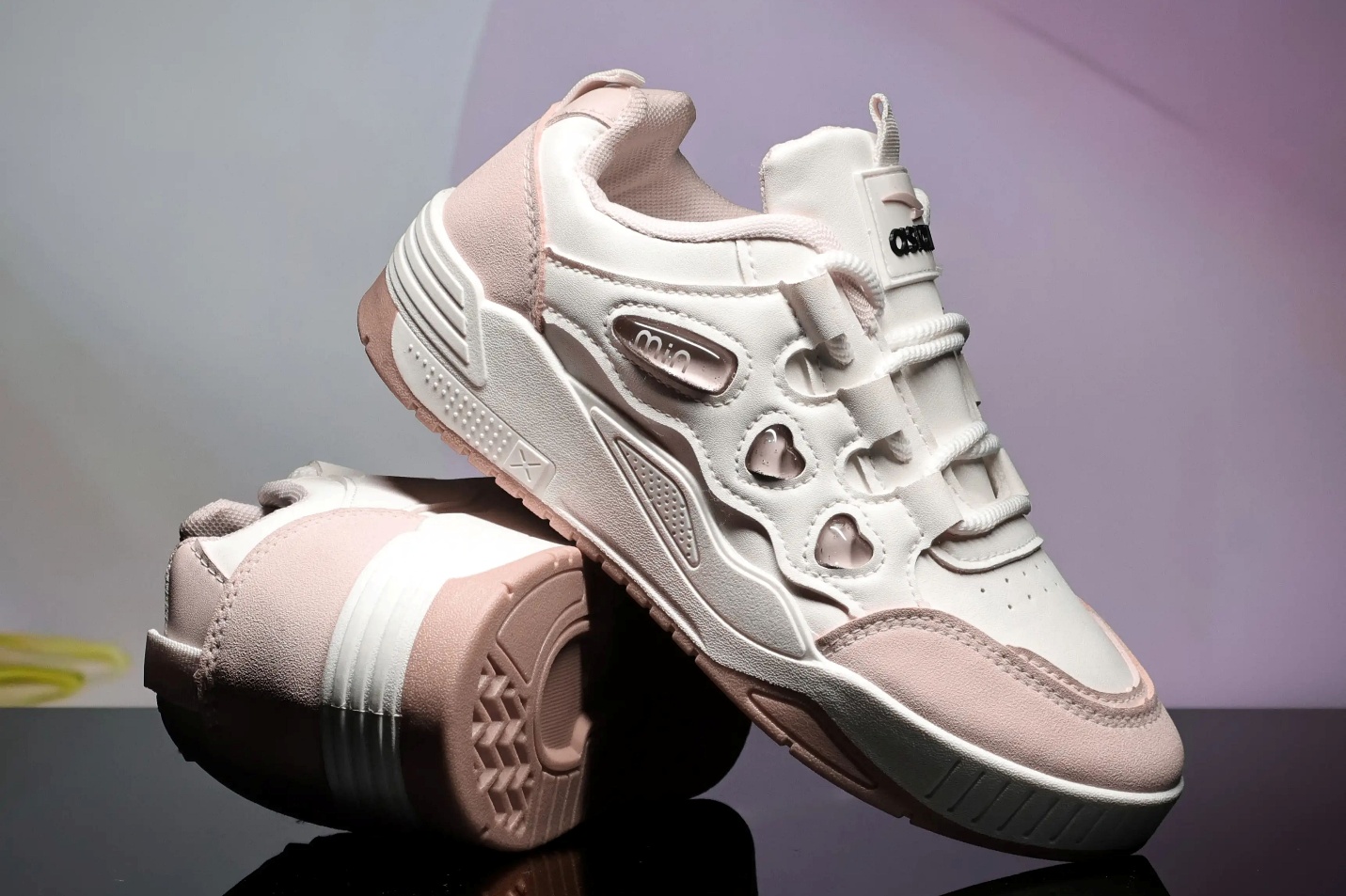
Buying the right women’s footwear often feels simple until you wear it for a few hours and start noticing the discomfort. What looks good in the store does not always hold up through a full day of walking, standing or commuting.
A big reason for this is that most people do not consider their foot type before choosing footwear. The shape of your feet affects how weight is distributed, how your body balances and how much support you actually need. When the fit and structure do not match your feet, even the best-looking pair can feel tiring very quickly.
How to Identify Your Foot Type at Home
You do not need any special equipment to understand your foot type. A couple of simple checks at home can give you a clear idea, which makes it much easier to choose the right footwear later on.
1. Check Your Arch (Wet Footprint Test)
Wet your foot lightly and step onto a piece of paper or any surface where your footprint shows clearly.
- If your footprint looks almost full with very little curve, you have flat feet
- If you can see a clear inward curve, your arch is normal
- If only a thin strip connects the front and back of your foot, you have high arches
2. Check Your Foot Width
Stand normally and look at your feet.
- If your toes look slightly spread out and the sides of your feet feel tight in most shoes, you likely have wide feet
- If your feet look slim and often feel loose inside shoes, you may have narrow feet
3. Notice How Your Shoes Feel
Think about your regular day.
- If your feet feel tired or achy after standing, you may need better support
- If your toes feel squeezed, your footwear may be too narrow
- If your feet slip inside your shoes, the fit may not be right
Once you know these basics, choosing the right footwear becomes much simpler because you are not guessing anymore.
Best Women’s Footwear for Different Foot Types
Flat Feet
Flat feet usually mean your arch sits lower, so your feet tend to roll inward when you walk or stand. This can lead to strain, especially if your footwear does not offer enough support.
When choosing women’s footwear for flat feet, focus on structure and stability.
What to look for
- Proper arch support to help distribute weight evenly
- A firm sole that holds its shape while walking
- A secure heel fit that keeps your foot stable
What works well
Supportive walking shoes and structured styles are a good starting point. Many women also prefer women’s sneakers with arch support because they offer stability for daily use. For work or casual wear, loafers with built-in support can feel comfortable. Well-designed sandals with contoured footbeds can also work for shorter durations.
What to avoid
- Very soft soles with no support
- Completely flat footwear
- Shoes that bend too easily
High Arches
High arches place more pressure on the heel and the front of the foot because there is less natural shock absorption.
What to look for
- Good cushioning to absorb impact
- Flexible soles that move with your foot
- A soft inner feel for better comfort
What works well
Cushioned trainers and everyday shoes with padding are a practical choice. Options like women’s sneakers with soft inner lining can feel more comfortable during longer hours. Boots with cushioned insoles can also help if you need something more structured.
What to avoid
- Very stiff footwear
- Thin soles with little cushioning
Wide Feet
If your feet feel cramped in most shoes, width is likely the issue rather than size.
What to look for
- A wider toe box that gives toes enough space
- Flexible or stretchable materials
- A comfortable fit without pressure on the sides
What works well
Wide-fit casual shoes and sandals with adjustable straps are usually more comfortable. Many women also choose sneakers for the comfort of wide feet, as they offer more space and flexibility for everyday wear.
What to avoid
- Narrow designs that squeeze your toes
- Going a size up instead of choosing the right width
Narrow Feet
Narrow feet often slip inside shoes that are too roomy, which can lead to discomfort over time.
What to look for
- Adjustable closures like laces or straps
- A snug fit that holds the foot in place
- Good grip around the heel
What works well
Lace-up styles and structured shoes tend to work better than loose slip-ons. Well-fitted sneakers can also help keep your feet in place. If you are on your feet for long hours, women’s sneakers can provide better support and reduce fatigue.
What to avoid
- Loose footwear that allows your foot to move around
- Wide designs that do not offer enough hold
Conclusion
Finding the right women’s footwear becomes easier when you understand your foot type. It helps you choose based on support and comfort instead of trial and error.
Pay attention to how your feet feel throughout the day and what they need. The right pair should feel comfortable from the start and support you through daily wear.
Before buying, take a moment to check your foot type and how you plan to use the footwear. Start with practical options like well-fitted women’s sneakers and explore other styles that match your needs.
